

How Can I Accelerate My Team’s Response Time in an Emergency?
It’s Saturday afternoon and your phone is buzzing. There’s a water leak in Building C. Your first thought is likely “There goes my weekend.” Can someone quickly get on site and find the right shutoff? Or is the damage going to keep spreading while your team searches for the source?
This is the moment that exposes whether your facility information is accessible when you really need it.
The Cost of Every Extra Minute
The impact of a burst pipe escalates quickly. Water spreads, damaging flooring and equipment. Downstream damage such as electrical failures, gas leaks, and HVAC breakdowns can also happen, compounding business interruption and safety risk.
The frustrating part is that the information needed to respond quickly usually exists. It’s just not accessible when it matters most.
The Real Bottleneck
In most facilities, finding information during an emergency typically involves calling the one person who “knows where everything is.” If that person answers, great. But if they’re unavailable, the scramble begins.
Maybe there’s a filing cabinet with old plans, a shared drive with scanned PDFs, a binder in the mechanical room. The team starts hunting while the problem gets worse. The information exists, but it’s scattered across formats, locations, and people’s heads. Under pressure, scattered information is a real liability.
How to Enable Rapid Response
Accelerating emergency response requires having the right information instantly accessible before the emergency ever happens. That means your facility information should be:
All in one place. Shutoff valves, electrical panels, equipment locations, and system documentation are all accurately consolidated in a single source, not across multiple systems or random filing cabinets.
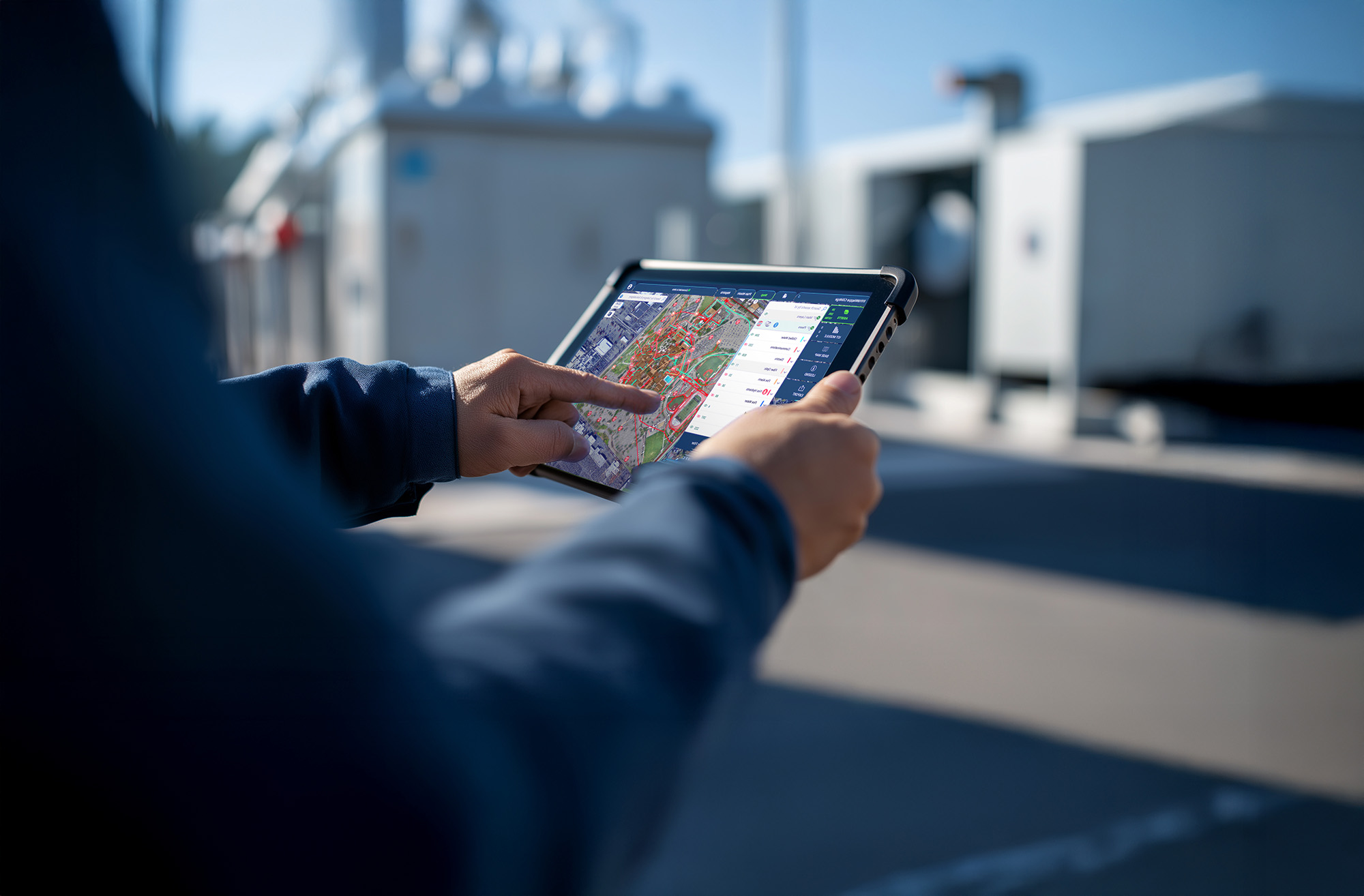
Organized by location. When there’s a leak in Building C, you need to quickly access all documentation related to that building, rather than search by document name or asset ID. Your information should be mapped the way your facility actually exists.
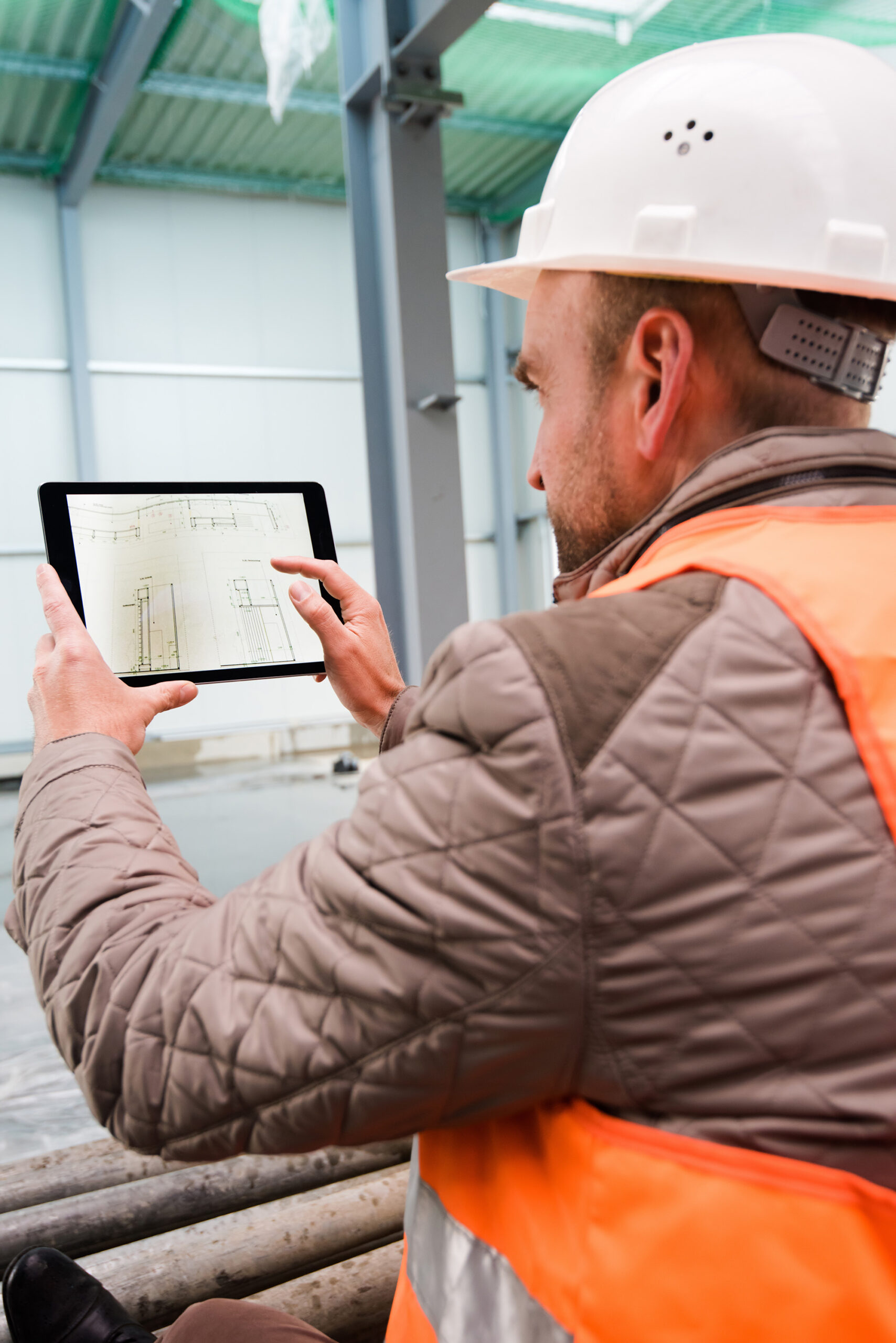
Accessible from anywhere, on any device. Your team needs access to critical information wherever they are. Whether that’s in the office, from their phone while in the field, or from home outside of work hours.
Available to everyone who needs it. Field technicians, contractors, construction crews, first responders—the easier it is for the teams you depend on to access facility information, the faster they can address critical issues.
Beyond Reaction: Catching Problems Before They Escalate
Emergency preparedness sets you up for rapid response before an emergency happens. When facility data is connected to real-time sensors — moisture detectors, temperature monitors, pressure readings — you can spot warning signs before they become crises. A temperature spike in a mechanical room or a pressure drop in the fire suppression system are the kinds of early signals that give you the chance to intervene proactively instead of reacting to a Saturday afternoon phone call.
The Cost of Maintaining the Status Quo
It’s easy to put this off. Emergencies don’t happen every day. But when the next one does (and you know it will) the cost of slow response is real. Water damage, equipment replacement, business interruption, safety incidents. One bad incident can cost more than years of prevention.
The facilities teams that handle emergencies well aren’t lucky. They’re prepared. Their information is organized, mapped, and accessible. So when the call comes, the response is immediate. And their weekends aren’t interrupted.